CDER Group visiting? They cannot force entry.
CDER Group threatening to visit? They CANNOT force entry for parking debt. Know your rights before anyone knocks on your door.
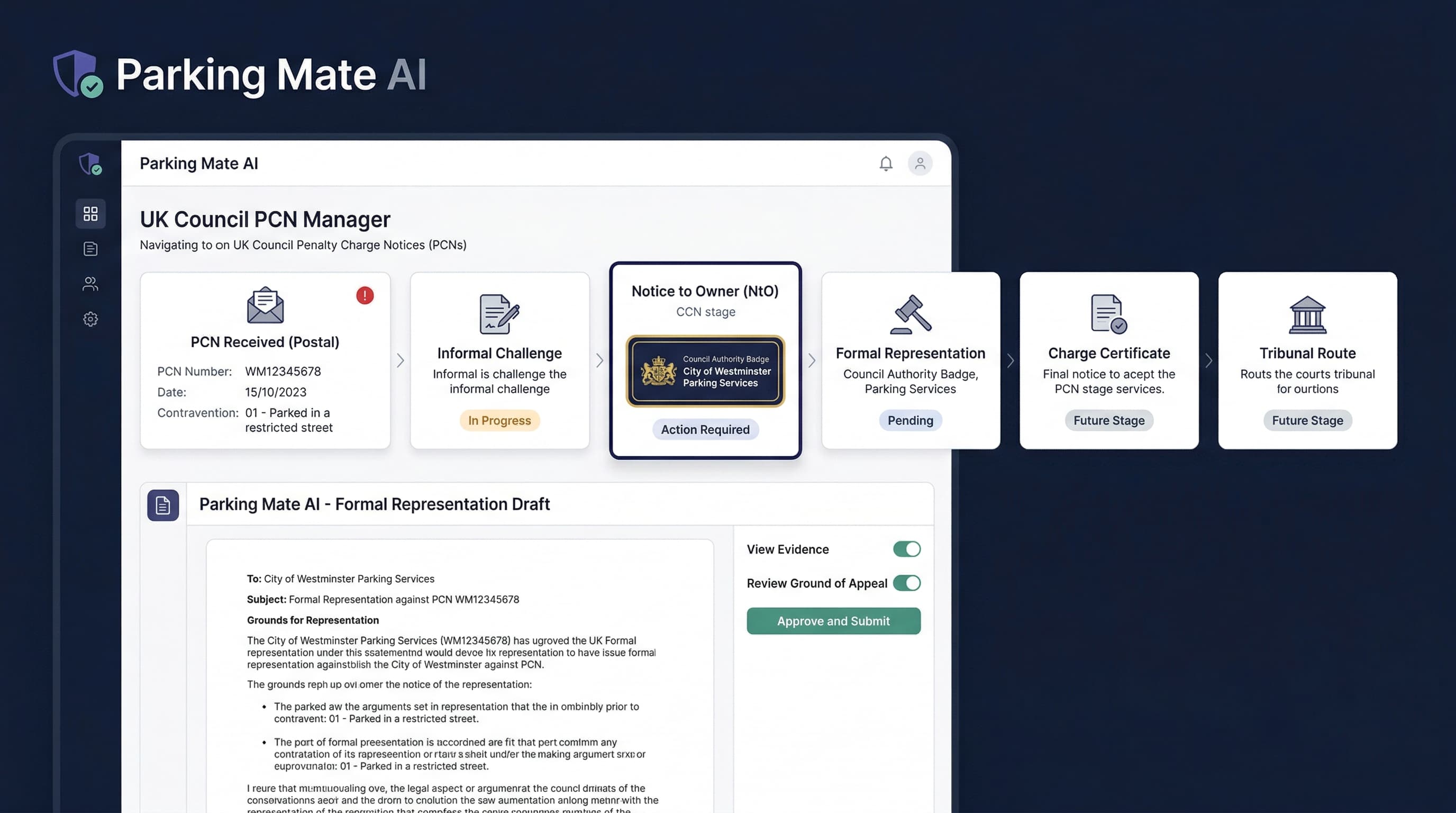
CDER Group may send enforcement agents to your home, but they CANNOT force entry for a parking debt under the Taking Control of Goods Regulations 2013. This applies to all parking debt, whether private or council.
What a CDER Group bailiff visit means for you
CDER Group may send enforcement agents to your home, but they CANNOT force entry for a parking debt under the Taking Control of Goods Regulations 2013. This applies to all parking debt, whether private or council.
You do not have to open your door. If an enforcement agent from CDER Group visits, you can speak through the door or window. Ask to see their identification and certificate. Do not sign anything under pressure. If you dispute the debt, say so clearly.
If you have not yet reached the visit stage, acting during the compliance period (when fees are lowest) gives you the most options. Upload your enforcement paperwork for a free check.
What we check on your case
Original PCN service
Was the original penalty charge notice properly served? If you never received it, the entire enforcement chain may be challengeable.
Notice to owner
The council must have sent a notice to owner giving you the chance to make formal representations. If this was missed or defective, it undermines enforcement.
Charge certificate validity
A charge certificate must be issued correctly and served on the right person. Errors at this stage can invalidate the enforcement.
Enforcement fees
Fees must follow the regulated structure: £75 compliance, £235 enforcement. Any overcharging or failure to link concurrent debts is unlawful.
Evidence and information to keep together
The letter or notice from CDER Group
The original parking charge notice if you still have it
Any earlier letters, reminders, or replies
Photographs of signage at the car park if available
A note of all key dates in the sequence
Related pages
CDER Group Notice of Enforcement
Received a notice of enforcement from CDER Group? You have 7 days to act. Check whether the original PCN was properly served and what options remain.
CDER Group Your Rights
Your full rights when dealing with CDER Group. What they can and cannot do, fee limits, and how to complain if they breach the rules.
All CDER Group Help
Return to the main CDER Group page for an overview of all help available.
CDER Group Bailiff Visit FAQs
Common questions about this enforcement firm and how to respond to their letters.
Can CDER Group force their way into my home?
No. CDER Group CANNOT force entry to your home for a parking debt under the Taking Control of Goods Regulations 2013. They can knock on your door and attempt to negotiate, but you are under no obligation to open the door or allow them inside. This applies to all parking debt, whether private or council.
What should I do if CDER Group visits my home?
You do not have to open the door. If you choose to speak to the enforcement agent, ask to see their identification and certificate. You can discuss the debt through a closed door or window. Do not sign anything under pressure. If you dispute the debt, say so clearly and in writing.
What can CDER Group take from my home?
Even if CDER Group gains peaceful entry (through a door you opened), they cannot take essential household items (beds, cooker, fridge, washing machine, dining table and chairs), clothing, items belonging to other people in the household, or tools of the trade up to a set value. They can only take items that belong to the debtor.
Can CDER Group visit at any time of day?
Under the Taking Control of Goods Regulations 2013, enforcement agents can only visit between 6am and 9pm. They should not visit on Sundays or bank holidays without specific court permission. If CDER Group visits outside these hours, this may be a breach of the regulations.
Do I have to identify myself to CDER Group?
You are not legally required to identify yourself to an enforcement agent at your door. However, if you are not the debtor, it may help to say so. If you are the debtor, you can confirm this in writing rather than on the doorstep. You have the right to remain calm and not be pressured.
Can CDER Group take my car for a parking debt?
CDER Group can only take control of goods, including a vehicle, if they have gained lawful entry and the vehicle belongs to the debtor. However, for parking debt specifically, they cannot force entry to take a vehicle from a garage or driveway behind a locked gate. A vehicle parked on the public highway may be more vulnerable.
What if CDER Group breaks the rules during a visit?
If CDER Group uses force, threatens you, enters without permission, or takes exempt goods, they may be in breach of the Taking Control of Goods Regulations 2013. Document what happened (dates, times, what was said), and complain to the Enforcement Conduct Board, the council, and if necessary, report the matter to the police.
Can I negotiate with CDER Group during a visit?
Yes. You can discuss payment arrangements with CDER Group at any point. Many enforcement agents prefer to agree a payment plan rather than attempting to take goods. If you can afford to pay in instalments, proposing a realistic plan may resolve the situation without further enforcement action.
What happens if CDER Group visits and I am not home?
If you are not home, CDER Group will typically leave a card or notice through your letterbox. They may return on another date. This counts as an enforcement visit and the enforcement stage fee (£235 plus percentage) may have been applied. Check any paperwork left and contact CDER Group or the council to discuss.
How does Parking Mate AI help before a CDER Group visit?
Upload your enforcement paperwork and Parking Mate AI checks whether the original PCN was properly served and whether you have grounds for a statutory declaration. It also checks the fee structure for errors. Acting before the visit — during the compliance stage — gives you the most options and the lowest fees.
Need help with a CDER Group bailiff visit?
Upload your letter for a free Parking Mate AI defect check. Most results are ready in minutes, and if grounds are found you can get a professional response letter straight away.
