How to respond to DCBL (Direct Collection Bailiffs Ltd) properly
Step-by-step guide to responding to DCBL (Direct Collection Bailiffs Ltd). What to say, what to keep, and how Parking Mate AI can help draft your response.
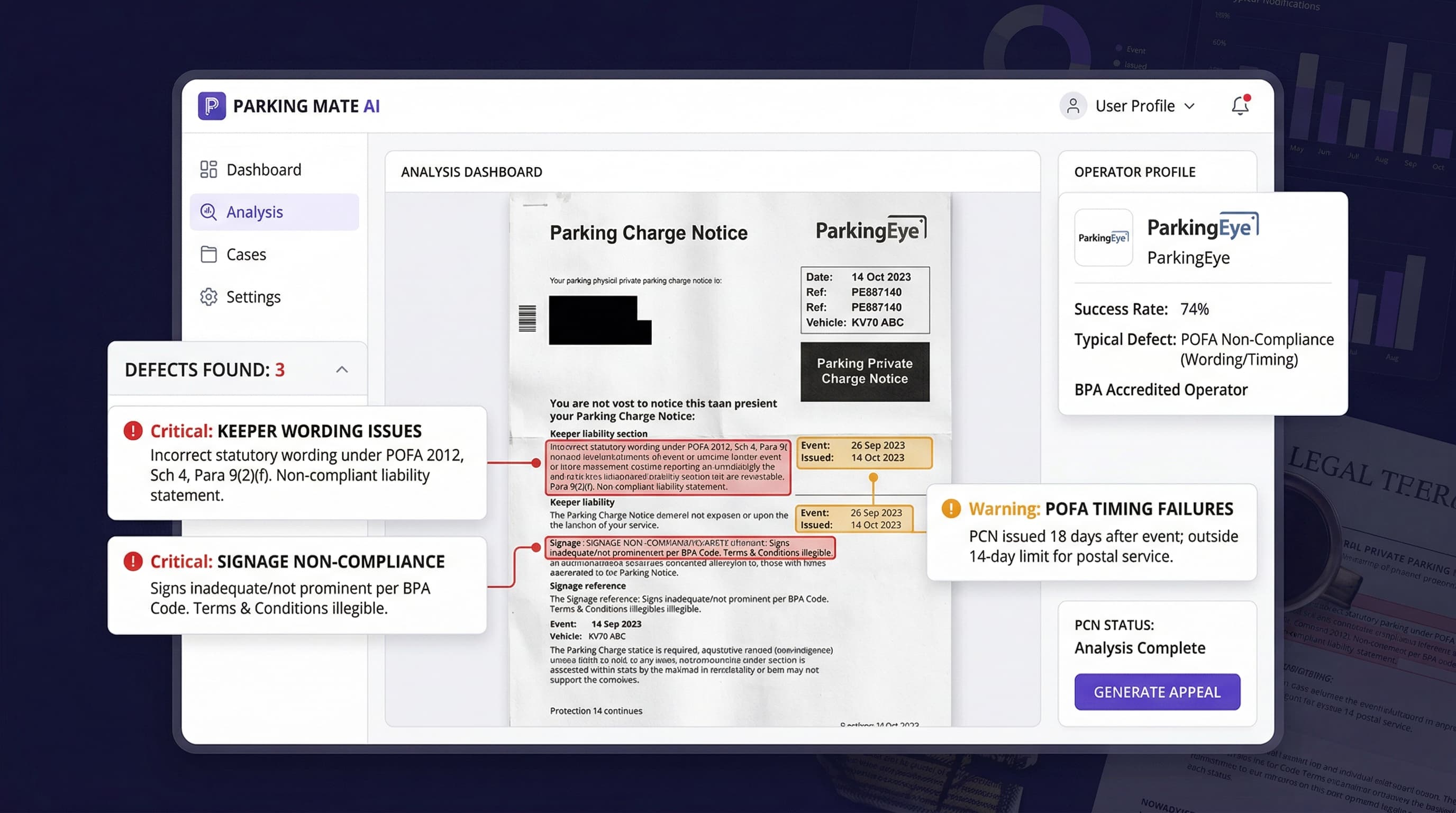
Responding properly to DCBL (Direct Collection Bailiffs Ltd) is important. Whether you have received a first demand, a chaser letter, or a formal notice, the principles are the same: identify the defects, respond in writing, keep records.
What a DCBL (Direct Collection Bailiffs Ltd) how to respond means for you
Responding properly to DCBL (Direct Collection Bailiffs Ltd) is important. Whether you have received a first demand, a chaser letter, or a formal notice, the principles are the same: identify the defects, respond in writing, keep records.
Do not call DCBL (Direct Collection Bailiffs Ltd) to discuss your case unless you are prepared to be recorded. A written response creates a clear paper trail and forces DCBL (Direct Collection Bailiffs Ltd) to deal with your specific grounds rather than using scripted telephone pressure.
Upload your letter and Parking Mate AI will draft a professional response targeting the specific defects in your case. The letter covers the grounds that matter and is ready to send.
What we check on your case
Signage and notice wording
The signs at the car park and the wording on the original notice must meet specific legal standards. Missing or unclear signs are one of the most common defects.
POFA 14-day notice to keeper
The operator must serve a notice to keeper within 14 days. If this deadline was missed, the registered keeper may not be liable.
Charge amount
The charge must not exceed the cap set by the operator's code of practice. Excessive charges are a valid ground for challenge.
Procedural chain
Every step from original notice to enforcement letter must follow the correct sequence. Gaps or errors weaken the claim.
Evidence and information to keep together
The letter or notice from DCBL (Direct Collection Bailiffs Ltd)
The original parking charge notice if you still have it
Any earlier letters, reminders, or replies
Photographs of signage at the car park if available
A note of all key dates in the sequence
Related pages
DCBL (Direct Collection Bailiffs Ltd) Debt Recovery Letter
Received a debt recovery letter from DCBL (Direct Collection Bailiffs Ltd)? It is not a court order. The original parking charge defects still apply. Find out what to do.
DCBL (Direct Collection Bailiffs Ltd) Letter Before Claim
DCBL (Direct Collection Bailiffs Ltd) threatening court action? A Letter Before Claim has strict deadlines. Check your defences and respond within 30 days.
All DCBL (Direct Collection Bailiffs Ltd) Help
Return to the main DCBL (Direct Collection Bailiffs Ltd) page for an overview of all help available.
DCBL (Direct Collection Bailiffs Ltd) How to Respond FAQs
Common questions about this enforcement firm and how to respond to their letters.
What is the best way to respond to DCBL (Direct Collection Bailiffs Ltd)?
Always respond in writing. Write to DCBL (Direct Collection Bailiffs Ltd) setting out your grounds for disputing the charge. Keep a copy of everything you send. Never call to discuss the case unless you are prepared to have the conversation recorded.
Should I pay DCBL (Direct Collection Bailiffs Ltd) to make the problem go away?
Not until you have checked whether the original parking charge was valid. Many charges contain defects that mean the operator would not succeed if the case went to court. Paying a defective charge simply because DCBL (Direct Collection Bailiffs Ltd) has sent a letter means paying a debt you may not legally owe.
What tone should I use when writing to DCBL (Direct Collection Bailiffs Ltd)?
Keep your response factual, calm, and specific. Do not use emotional language or personal complaints. Cite specific legal grounds and defects. A well-structured, professional letter is taken more seriously than an angry or pleading one.
Do I need to provide evidence when responding to DCBL (Direct Collection Bailiffs Ltd)?
You do not need to provide all your evidence upfront, but it helps to mention the defects you have identified. If you have photographs of signage, copies of earlier correspondence, or evidence that contradicts the charge, mention their existence. Keep the full evidence for any formal proceedings.
What if DCBL (Direct Collection Bailiffs Ltd) does not respond to my dispute?
If DCBL (Direct Collection Bailiffs Ltd) does not respond to your written dispute, that is not unusual. Some firms simply stop pursuing cases when a credible defence is raised. Keep a record of when you sent your dispute and by what method. If you hear nothing further, the matter may be closed, but retain your records for six years.
Can DCBL (Direct Collection Bailiffs Ltd) harass me with repeated letters?
DCBL (Direct Collection Bailiffs Ltd) must follow industry codes of practice and should not send letters designed to mislead or intimidate. If you believe DCBL (Direct Collection Bailiffs Ltd) is harassing you, keep copies of every letter and complain to the relevant regulatory body.
What if DCBL (Direct Collection Bailiffs Ltd) threatens legal action?
A threat of legal action is not the same as legal action. Many letters use language designed to create urgency. However, the case can still be referred to solicitors. Respond in writing with your grounds for dispute. Do not panic, but do not ignore it either.
Should I complain to a regulator about DCBL (Direct Collection Bailiffs Ltd)?
If DCBL (Direct Collection Bailiffs Ltd) has made misleading claims, used threatening language, or failed to follow proper procedure, you can complain to the relevant body: the Credit Services Association (CSA) or Trading Standards. A complaint does not replace responding to the charge itself.
What records should I keep when dealing with DCBL (Direct Collection Bailiffs Ltd)?
Keep every letter from DCBL (Direct Collection Bailiffs Ltd), copies of everything you send in response, the original parking charge notice, any earlier notices or reminders, photographs of signage, and a written timeline of all dates. If the case goes to court, this documentation is your evidence.
How does Parking Mate AI help me respond to DCBL (Direct Collection Bailiffs Ltd)?
Upload your letter from DCBL (Direct Collection Bailiffs Ltd) and Parking Mate AI analyses the original parking charge for defects. It then drafts a professional response letter citing the specific issues found, whether that is a dispute letter, a formal defence, or a statutory declaration. The letter is ready to send and covers the grounds that matter for your case.
Need help with a DCBL (Direct Collection Bailiffs Ltd) how to respond?
Upload your letter for a free Parking Mate AI defect check. Most results are ready in minutes, and if grounds are found you can get a professional response letter straight away.
