Order for Recovery? Understand What It Means and What You Can Do
This is an order for recovery, not a county court claim. This requires urgent action. We analyse your order for recovery for failures in the enforcement chain and missing service of earlier notices and assess whether a statutory declaration or witness statement can halt enforcement.
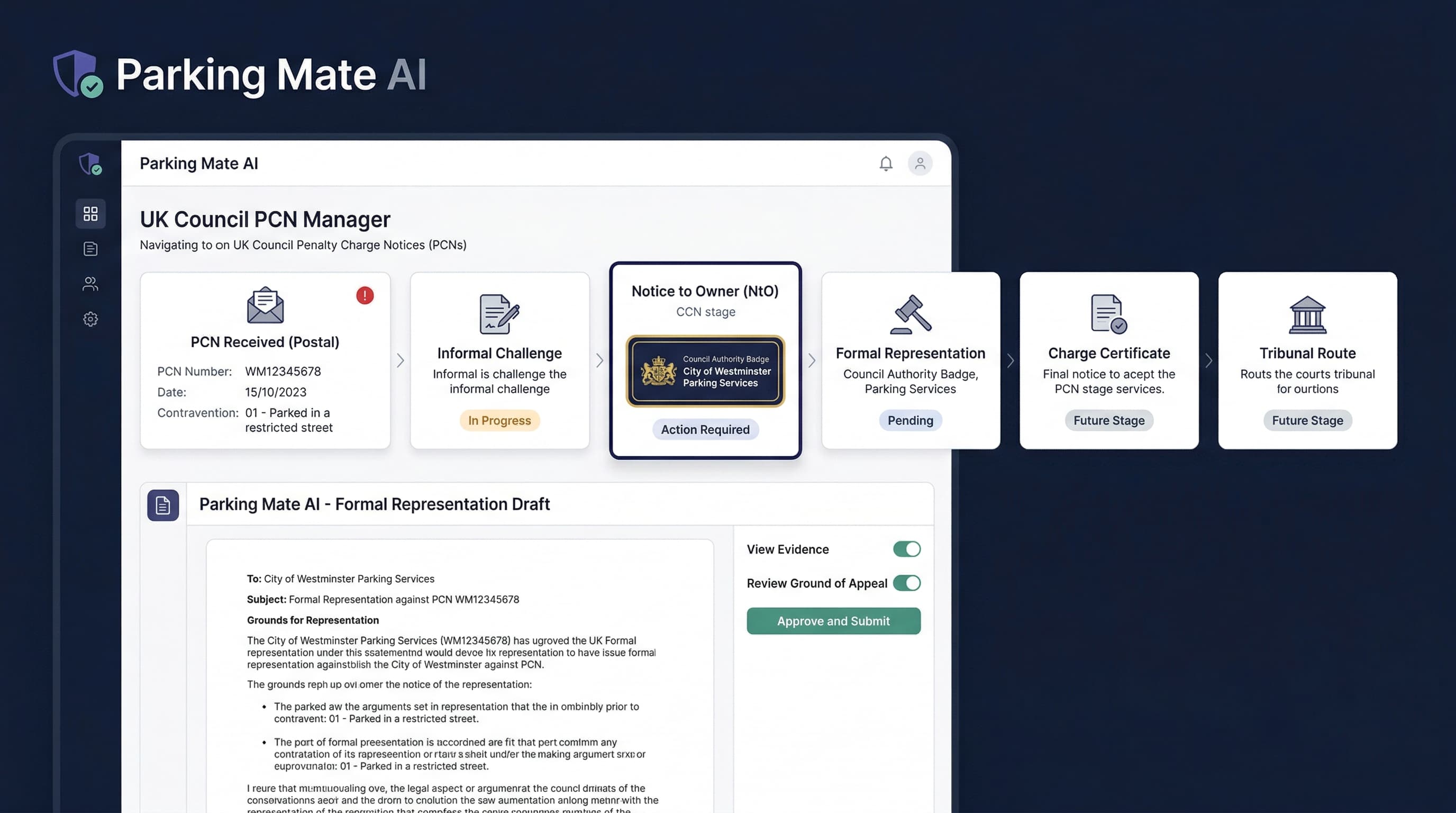
An order for recovery means the council has registered the debt at the Traffic Enforcement Centre for court enforcement. Your options are limited but errors in the process may still allow you to act. If you did not receive earlier notices or the council skipped a required step, a statutory declaration or witness statement may reset the case. Check yours before the deadline passes.
What you get
Full AI analysis of the enforcement chain from original PCN to order for recovery
Check whether all earlier notices were properly served to the correct address
Verification that TEC registration followed the correct statutory procedure
Assessment of whether a statutory declaration can be filed within the deadline
Professional witness statement or declaration citing the specific failures found
Step-by-step guidance on filing at the Traffic Enforcement Centre
Result
A structured response ready to file with the Traffic Enforcement Centre, citing the exact procedural failures that may allow enforcement to be halted.
What this order for recovery means for you
Receiving this order for recovery can be stressful, but it does not automatically mean you should pay. Many of these notices contain defects in signage, wording, timing, or procedure that can form the basis of a successful challenge.
The rules that councils must follow are detailed and specific. A missing sign, a late notice, or an incorrect code can all make the difference between a valid charge and one that should be cancelled.
Upload your notice and let Parking Mate AI check it against the requirements that apply to your exact situation. If defects are found, you will receive a professional letter ready to send.
Why this notice may be challengeable
Signage and notice wording
The signs on site and the wording on your notice must meet specific legal standards. Missing or unclear signs are one of the most common defects.
Timing and deadlines
There are strict time limits for issuing notices at every stage. A late notice can be grounds for cancellation.
Procedure and process errors
The issuer must follow a set process when pursuing a charge. Skipped steps or incorrect procedures weaken their position.
Evidence and documentation gaps
Operators and councils must hold and present proper evidence. Missing photos, logs, or records can undermine the charge.
Evidence and information to keep together
A photo or copy of the notice or letter
Any earlier reminders or replies
Relevant photos, screenshots, or records
A note of the key dates
Anything that supports your version of events
TEC order — deadline to respond is short
An order for recovery can be challenged by statutory declaration if you did not receive the original PCN, or if you made representations that were not considered.
Upload your TEC paperwork now. You may have as little as 21 days to respond.
Related pages
Received a TEC Certificate
Paperwork mentions TEC specifically? Check what this means and how it connects to your order.
Received a Charge Certificate
Still at the charge certificate stage? There may be earlier options available.
Not Sure What Stage This Is
Start with a free check. We will identify your notice and recommend the correct next step.
Order for Recovery FAQs
Common questions about parking ticket appeals and how the service works.
What does this order for recovery mean, and why might you have received it?
This order for recovery is a later-stage document in the council parking enforcement process. You have received it because the council is pursuing a penalty charge. Council enforcement follows a fixed sequence of stages, and defects at any stage can affect whether the charge is valid.
How long do I have to respond to this order for recovery?
Enforcement-stage deadlines are short. For an order for recovery, you typically have 21 days to file a witness statement or statutory declaration. For a notice of enforcement, the compliance period before a bailiff can visit is usually 7 days. Upload this order for recovery urgently to check whether you still have time to respond.
Can I appeal or challenge this order for recovery?
Yes. You have the right to make representations to the council and then appeal to an independent tribunal. A challenge to this order for recovery is more likely to succeed when it cites specific defects rather than making a general complaint about the charge.
Is it too late to challenge this order for recovery?
Not necessarily. Even at the order for recovery stage, there may be defects in how earlier notices were served, procedural failures, or timing errors that affect the validity of the current demand. If you never received earlier notices, you may be able to file a statutory declaration to reset the case. Upload this order for recovery to check what options remain.
What defects does Parking Mate AI check on this order for recovery?
For a council order for recovery, Parking Mate AI checks the contravention code accuracy, timing of service, observation periods, evidence requirements, and whether the council followed the correct statutory procedure. At this stage, it also checks whether earlier notices were properly served and whether the escalation was lawful.
What evidence should I keep if I challenge this order for recovery?
Keep the order for recovery itself, all earlier notices and letters in the sequence, any replies you have sent, photographs of signage or the location if available, screenshots of correspondence, and a written note of key dates. At a later stage, the full history of the case matters, not just the latest document.
Can I file a statutory declaration against this order for recovery?
If you did not receive the original PCN, the notice to owner, or the charge certificate, you may be able to file a statutory declaration or witness statement to have the case reopened. This must be done within the deadline specified on this order for recovery, usually 21 days. A successful statutory declaration resets the case to an earlier stage where you can make representations.
What happens if I ignore this order for recovery?
Ignoring this order for recovery at this stage is particularly risky because you have fewer options remaining. The council can proceed to bailiff enforcement, and ignoring a charge certificate or order for recovery means losing your chance to file a statutory declaration. Even at this stage, checking for defects is better than doing nothing.
Does it matter which council issued my order for recovery?
Yes. Different councils use different contravention codes, camera systems, and enforcement practices. The council's location also determines which tribunal hears your appeal: London Tribunals for London boroughs, or the Traffic Penalty Tribunal for councils outside London. Upload your order for recovery and Parking Mate AI will identify the issuing authority and apply the correct checks.
How does Parking Mate AI help with this order for recovery?
Upload a photo of this order for recovery and Parking Mate AI reads the details automatically. It checks the notice against statutory requirements, contravention code accuracy, timing rules, and procedural obligations specific to this stage of enforcement. If defects are found, you can get a professional appeal letter targeting the specific issues on this order for recovery.
The bottom line
If you have received a order for recovery from the council, check it before you pay. Council PCNs follow strict rules, and defects in signage, timing, or procedure can make the charge invalid.
Need help with this order for recovery?
Upload your notice for a free Parking Mate AI defect check. Most results are ready in minutes, and if grounds are found you can get a professional letter straight away.
